Mastering Basic Dog Commands: Sit, Down, Stay & Come Explained
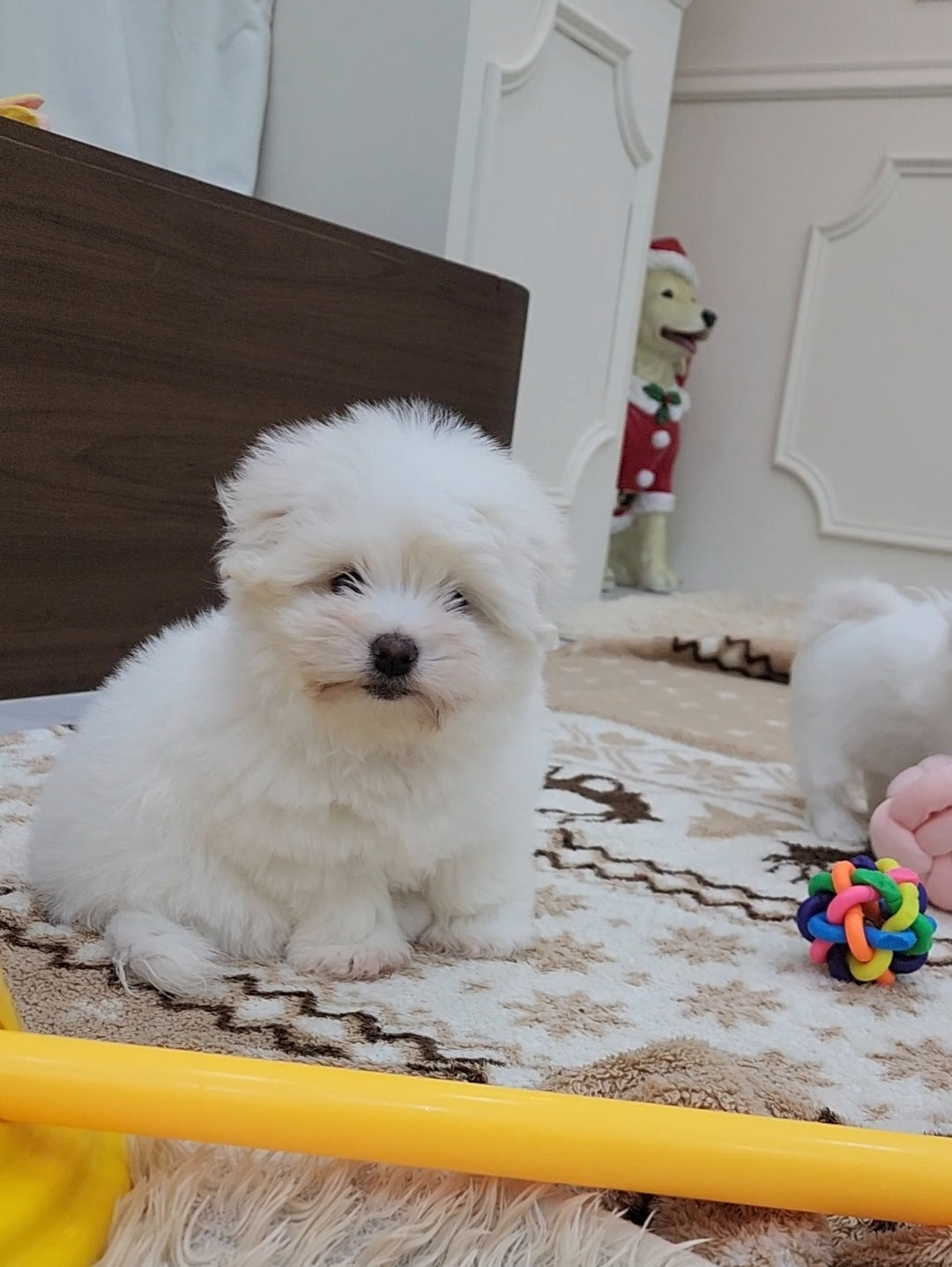
Mastering Basic Dog Commands
Sit · Down · Stay · Come — A Complete Training Guide

Teaching your dog basic commands is not about control.
It is about communication, trust, and safety.
Whether you have a young puppy or a newly adopted dog, mastering a few core commands will make daily life calmer, safer, and more enjoyable for both of you.
In this guide, we cover the four essential commands every dog should learn:
Sit, Down, Stay, and Come — explained step by step, with practical tips and common mistakes to avoid.

Before You Start: 3 Training Principles That Matter
1. Keep sessions short and positive
-
3–5 minutes per session
-
2–3 times a day
-
Always end on a success
2. Timing is everything
-
Reward immediately after the correct behavior
-
Delayed rewards confuse dogs
3. Never use punishment
-
Training is communication, not domination
-
Fear-based methods damage trust and slow learning

1. Sit — The Foundation of All Training
Why “Sit” matters
-
Helps calm excitement
-
Used before meals, walks, or greetings
-
Builds impulse control
How to teach “Sit”
-
Hold a treat close to your dog’s nose
-
Slowly move it upward over the head
-
As the dog naturally sits, say “Sit”
-
Reward immediately
Common mistakes
-
Pushing the dog’s hips down
-
Repeating the command multiple times

2. Down — Teaching Calm and Self-Control
When “Down” is useful
-
Reducing overexcitement
-
Greeting guests politely
-
Preparing for “Stay”
How to teach “Down”
-
Start with your dog in a Sit position
-
Move the treat slowly down to the floor
-
Guide it forward until the body lowers
-
Say “Down” and reward
Tip
Down often takes longer to learn than Sit.
Patience is key.

3. Stay — A Critical Safety Command
Why “Stay” is essential
-
Prevents door-dashing
-
Improves focus
-
Keeps your dog safe in public spaces
How to teach “Stay”
-
Ask your dog to Sit or Down
-
Show your palm and say “Stay”
-
Start with 1–2 seconds
-
Reward, then gradually increase duration
Important reminder
-
Increase time slowly
-
If your dog fails, calmly reset and try again

4. Come — The Most Important Command of All
Why “Come” can save lives
-
Emergency situations
-
Off-leash safety
-
Preventing dangerous encounters
How to teach “Come”
-
Start at a short distance
-
Use a happy, inviting tone
-
Say “Come!”
-
Reward generously every time
Never do this
-
Never punish after your dog comes
-
Never make “Come” mean the end of fun
Your dog should believe that coming to you is always a good decision.

When Training Doesn’t Go Well — Check This First
-
Is your dog tired or overstimulated?
-
Is the environment too distracting?
-
Are rewards exciting enough?
-
Are commands consistent?
Most training issues are environmental — not behavioral.
What Basic Commands Really Give You
-
A calmer, more confident dog
-
Clear communication
-
Safer walks and travel
-
A stronger bond built on trust
Basic commands are not tricks.
They are a shared language between you and your dog.
Final Thoughts
Your dog does not need to be perfect.
What matters is consistency, patience, and kindness.
Even a few minutes of practice each day can change everything.
Basic training is not about obedience —
it is about building a safe, happy life together.
We don’t just help you welcome your puppy —
we continue to support you even after your puppy joins your family.
From basic training guidance to daily adjustment tips,
we stay in touch and walk alongside you every step of the way.
✨ Ready to welcome your first puppy?
For personalized guidance,
📲 please feel free to contact us or reach out via
💚 WhatsApp: +82 10 8691 2094
We’re here to help you make the best choice for your family.
If you have any inquiries, please feel free to contact us at any time 💬