Allergic to Dogs but Dreaming of a Puppy? 5 Low-Shedding Breeds That Make It Easier (2026 Guide)


for sneezy humans

No dog is completely hypoallergenic, but low-shedding breeds such as the Toy Poodle, Maltipoo, Coton de Tulear, Maltese and Mini Bichon Frise keep loose hair and dander in their coats instead of on your floor. Combined with an allergist test, time with the breed before adopting and a simple home routine (HEPA filter, regular bathing, a dog-free bedroom), many people with mild dog allergies live happily with one of these small dogs.
 Every week we hear the same worried message: “I love dogs, but I sneeze around them. Is there a puppy I can actually live with?” If that sounds like you, you are not alone. Dog allergies are common, and they are one of the biggest reasons people hesitate to adopt.
The good news is that the right breed and a few habits make a real difference. This guide explains what actually causes dog allergies, compares the five low-shedding breeds our allergy-sensitive families choose most, and gives you a step-by-step plan to test your reaction before you bring a puppy home.


What actually causes a dog allergy?
People are not allergic to dog hair itself. The reaction comes from proteins (known as Can f 1 to Can f 8) found in a dog’s skin flakes, saliva and urine. Hair matters because it carries those proteins around the house: every hair that falls on the carpet or sofa brings dander with it.
5 low-shedding breeds for allergy sufferers

1Maltipoo
- Coat soft, wavy to curly
- Shedding low
- Grooming every 4–6 weeks
- Adult size 2–5 kg
- Best for families, first-time owners
A Maltese and Toy Poodle cross, the Maltipoo usually inherits the Poodle’s low-shedding coat and the Maltese’s gentle, people-loving temperament. Curlier coats tend to hold loose hair and dander better than straight ones, so ask your breeder about the coat type of the parents, not just the puppy.
Meet our Maltipoo puppies →
2Toy Poodle
- Coat dense, tight curls
- Shedding very low
- Grooming every 3–5 weeks
- Adult size 2–4 kg
- Best for active homes, smart-dog lovers
The Toy Poodle is the classic choice for allergy-conscious families. Its single, continuously growing curly coat traps shed hair close to the body instead of dropping it on your sofa. Poodles are also one of the easiest breeds to train, which makes daily grooming and bathing routines simple.
Meet our Toy Poodle puppies →
3Coton de Tulear
- Coat long, cotton-like
- Shedding low
- Grooming brush 3–4× a week
- Adult size 3.5–6 kg
- Best for calm homes, therapy-dog temperament
Named after its cotton-soft coat, the Coton de Tulear sheds very little and is known for an easy-going, affectionate personality. The trade-off is brushing: a long coat that is not brushed can mat, so regular grooming is part of keeping both the dog and your home low-allergen.
Meet our Coton de Tulear puppies →
4Maltese
- Coat silky, single layer
- Shedding low
- Grooming daily brushing
- Adult size 2–3.5 kg
- Best for apartments, quiet companions
The Maltese has a single silky coat with no undercoat, so there is no seasonal “blow-out” of fur. Many owners keep a short puppy cut, which makes daily care and bathing much quicker for allergy-sensitive households.
Meet our Maltese puppies →
5Mini Bichon Frise
- Coat plush, curly double coat
- Shedding low
- Grooming every 4–6 weeks
- Adult size 3–5 kg
- Best for cheerful, social families
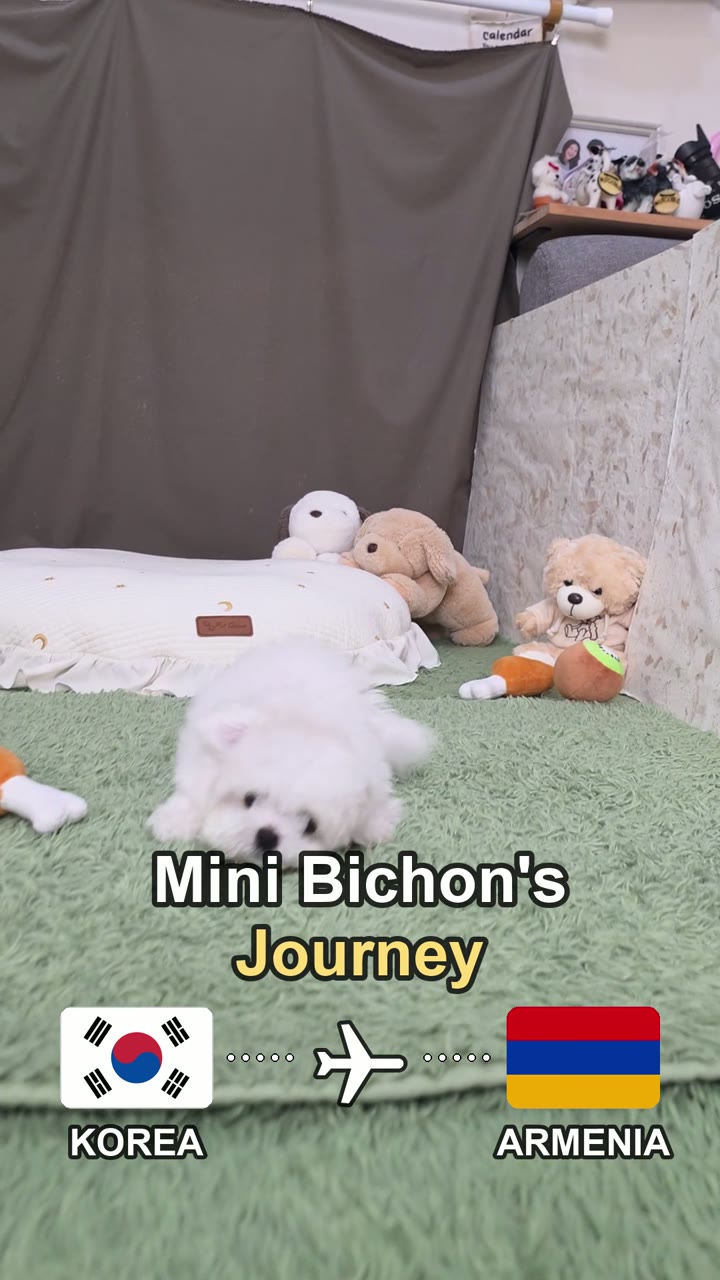
The Bichon Frise’s curly coat catches loose hair inside the coat until it is brushed out, which is why Bichons are on almost every “dogs for allergies” list. Our mini Bichons are raised in Korea with frequent grooming from an early age, so they are relaxed on the table by the time they go home.
Meet our Mini Bichon Frise puppies →Side-by-side comparison
| Breed | Shedding | Coat | Professional grooming | Temperament |
|---|---|---|---|---|
 Maltipoo Maltipoo
|
Low | Wavy–curly | 4–6 weeks | Very friendly |
 Toy Poodle Toy Poodle
|
Very low | Tight curls | 3–5 weeks | Highly trainable |
 Coton de Tulear Coton de Tulear
|
Low | Long, cotton-soft | Brush 3–4×/week | Calm, gentle |
 Maltese Maltese
|
Low | Silky, no undercoat | Daily brushing | Affectionate |
 Mini Bichon Mini Bichon
|
Low | Plush curls | 4–6 weeks | Cheerful, social |
Before you adopt: a 5-step allergy test plan

- See an allergist. A skin-prick or blood test tells you how strong your dog allergy is and whether other triggers (dust mites, pollen) are adding to it.
- Spend real time with the breed. Visit adult dogs of the breed several times for a few hours, ideally indoors, and note how you feel over the next 24 hours.
- Ask about the parents’ coats. For mixes like the Maltipoo, the parents’ coat types are the best clue to how much the puppy will shed.
- Plan the routine before the puppy arrives. Decide who brushes, how often you bathe and which rooms stay dog-free.
- Talk honestly with your breeder. A good breeder will tell you if a breed is not a good match, and show you coat close-ups on a video call.
Living comfortably with a dog and allergies
 Even with a low-shedding breed, small habits keep allergens down. These are the ones our families tell us help most:
- 🛏️Keep the bedroom dog-free so you get 8 allergen-light hours every night.
- 🌬️Run a HEPA air purifier in the main living area.
- 🛁Bathe every 2–3 weeks with a gentle dog shampoo.
- 🪥Brush outdoors or by an open window, a few times a week.
- 🧺Wash dog bedding and throws weekly in hot water.
- 🧹Vacuum with a HEPA vacuum and prefer hard floors to deep carpets.
If you want to go deeper on teacup sizes and coat types, read our earlier guide: Hypoallergenic Teacup Breeds: Which Puppy Is Best for Allergy Sufferers?
Frequently asked questions
Is any dog breed 100% hypoallergenic?
No. All dogs produce allergenic proteins in their saliva, skin flakes (dander) and urine. Low-shedding breeds such as Poodles, Maltipoos, Bichons, Maltese and Coton de Tulear spread less hair and dander around the home, which many allergy sufferers find much easier to live with.
What is the best small dog for someone with allergies?
Toy Poodles and Maltipoos are usually the first recommendation because of their tight, low-shedding coats. Coton de Tulear, Maltese and Bichon Frise are also popular choices. Reactions are individual, so spending time with the breed before adopting is the best test.
Are puppies less allergenic than adult dogs?
Puppies often seem easier at first because they are small and have short coats, but allergen levels can increase as the dog matures. Judge your reaction by time spent with adult dogs of the same breed, not only with puppies.
How can I test whether I am allergic to a specific breed?
See an allergist for a skin or blood test, then spend a few hours on several visits with adult dogs of the breed you like. Watch for reactions over the following 24 hours. We can also arrange video calls so you can see coat type and grooming up close before you decide.
How often should a low-shedding dog be bathed for allergies?
For allergy-sensitive homes, a gentle bath every 2–3 weeks plus regular brushing (outside or in a well-ventilated area) helps reduce loose dander. Use a mild dog shampoo to avoid drying the skin.
This guide is general information from a breeder, not medical advice. If you have asthma or strong allergic reactions, talk to your doctor or allergist before adopting a dog.


Worried about allergies? Let’s find your match.
Tell us about your allergies and your home, and we will suggest the breed and the puppy that suit you best, with coat close-ups on a video call.
Talk to Kim’s PupsSee available puppies